01
Conversation & Companionship
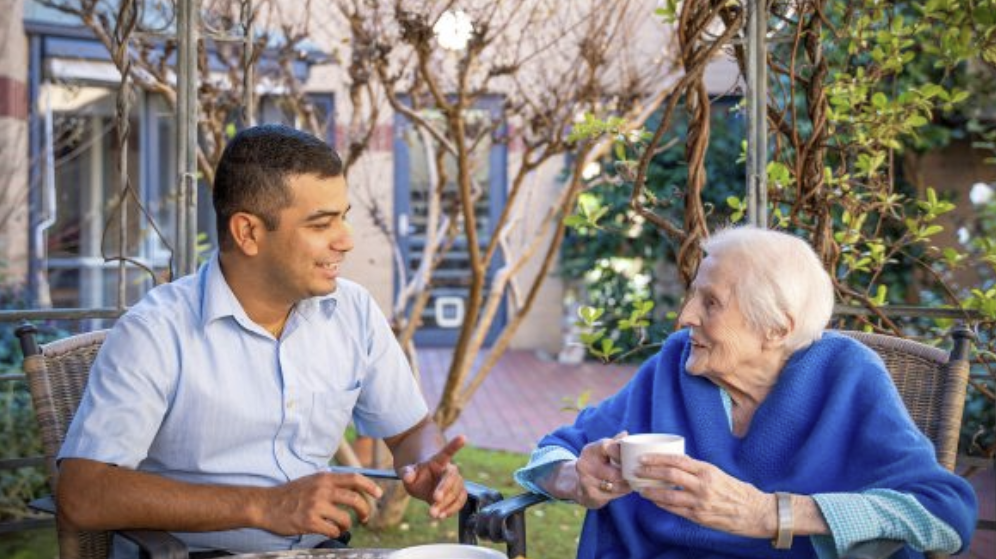
A regular visit can be more valuable than a complicated programme. Students spend unhurried time listening, talking, reading together and getting to know residents as individuals.
Presence before performance. Ageing as Social Capital
Join us
Ageing as Social Capital
Join usOur services
Our services are intentionally within the capability of high-school students. We focus on safe, social activities that can be delivered regularly—because trust grows through persistence, not one impressive afternoon.
A regular visit can be more valuable than a complicated programme. Students spend unhurried time listening, talking, reading together and getting to know residents as individuals.
Presence before performance.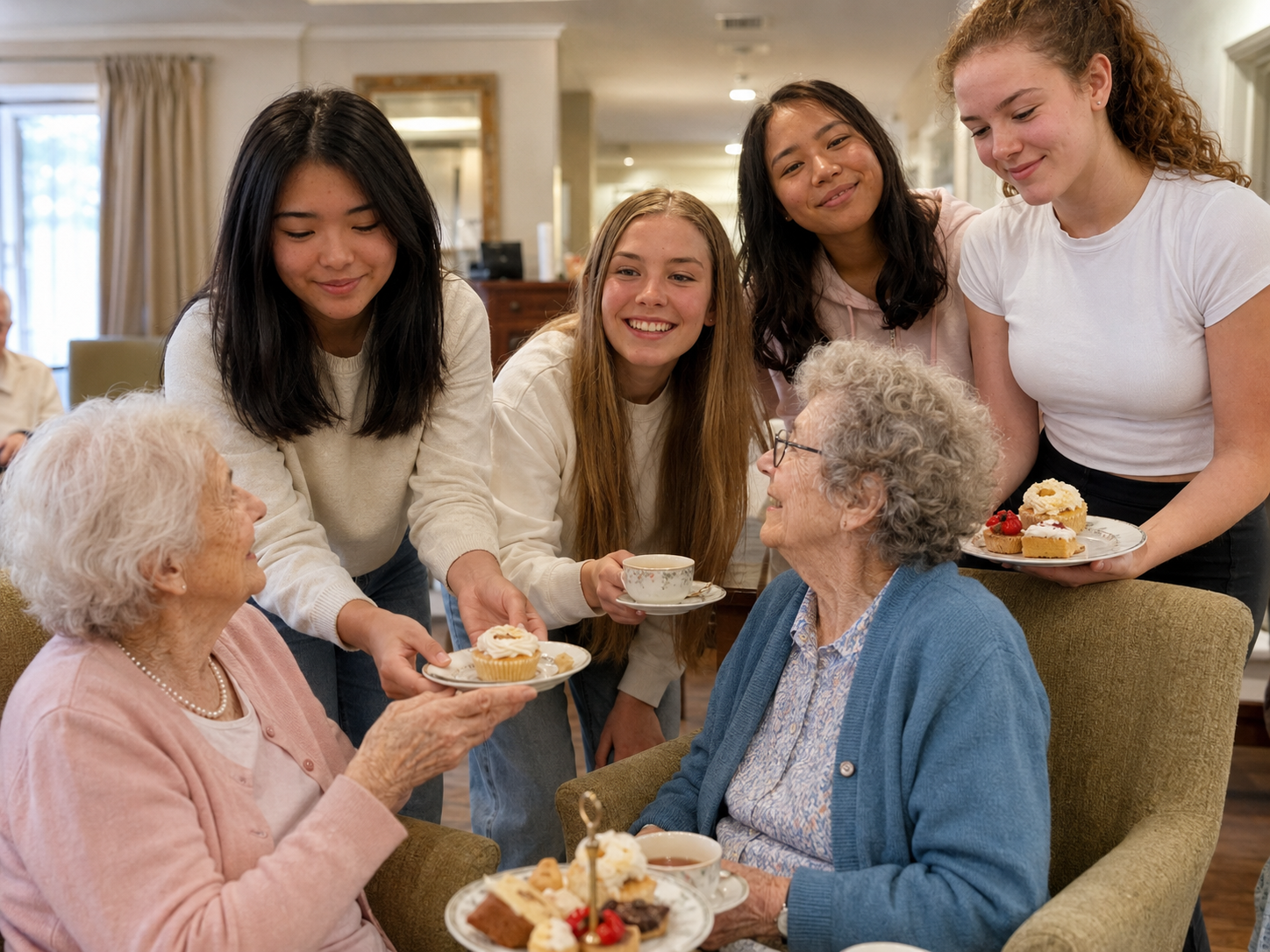
Students who play an instrument or enjoy music can prepare familiar songs, simple requests and small group sing-alongs. The goal is participation and memory, not a formal concert.
Music opens doors that words sometimes cannot.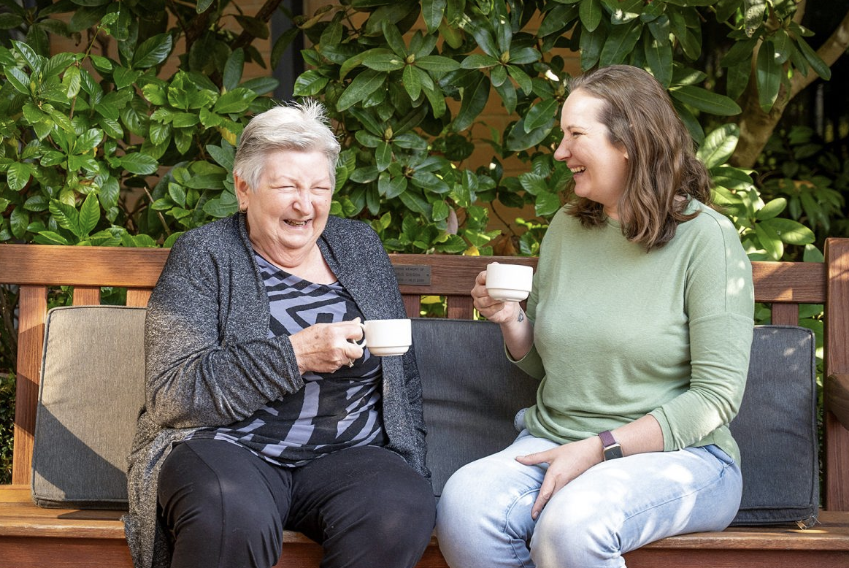
Balloon tennis, card games, simple puzzles and table activities add movement and laughter without requiring specialist coaching. Students adapt the pace so everyone can take part comfortably.
Fun is a serious form of connection.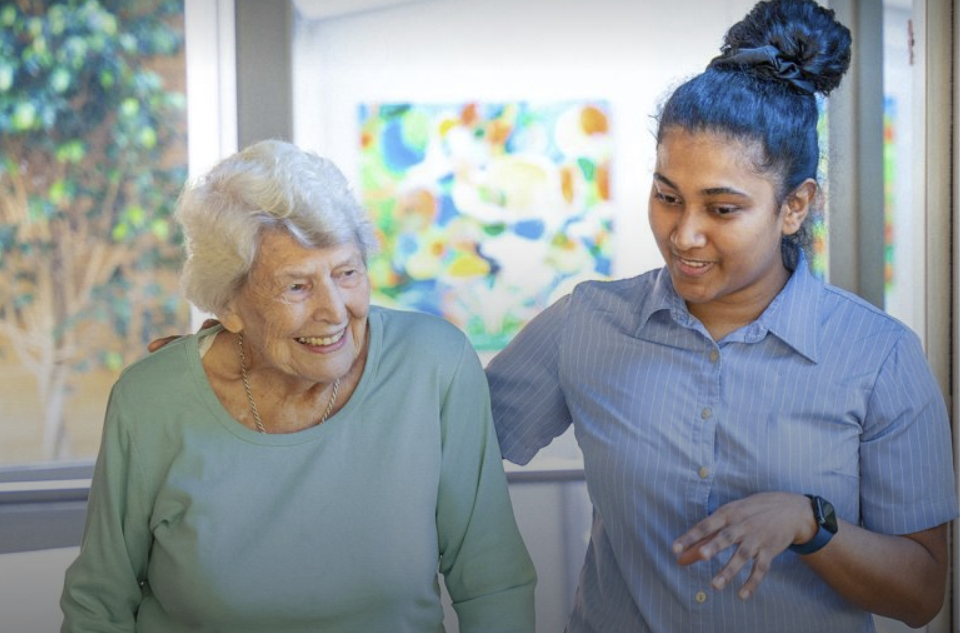
Students read short articles, poems, letters or stories, then invite residents to respond with memories and opinions. It is designed as a two-way exchange rather than students reading “to” someone.
Every story deserves an interested listener.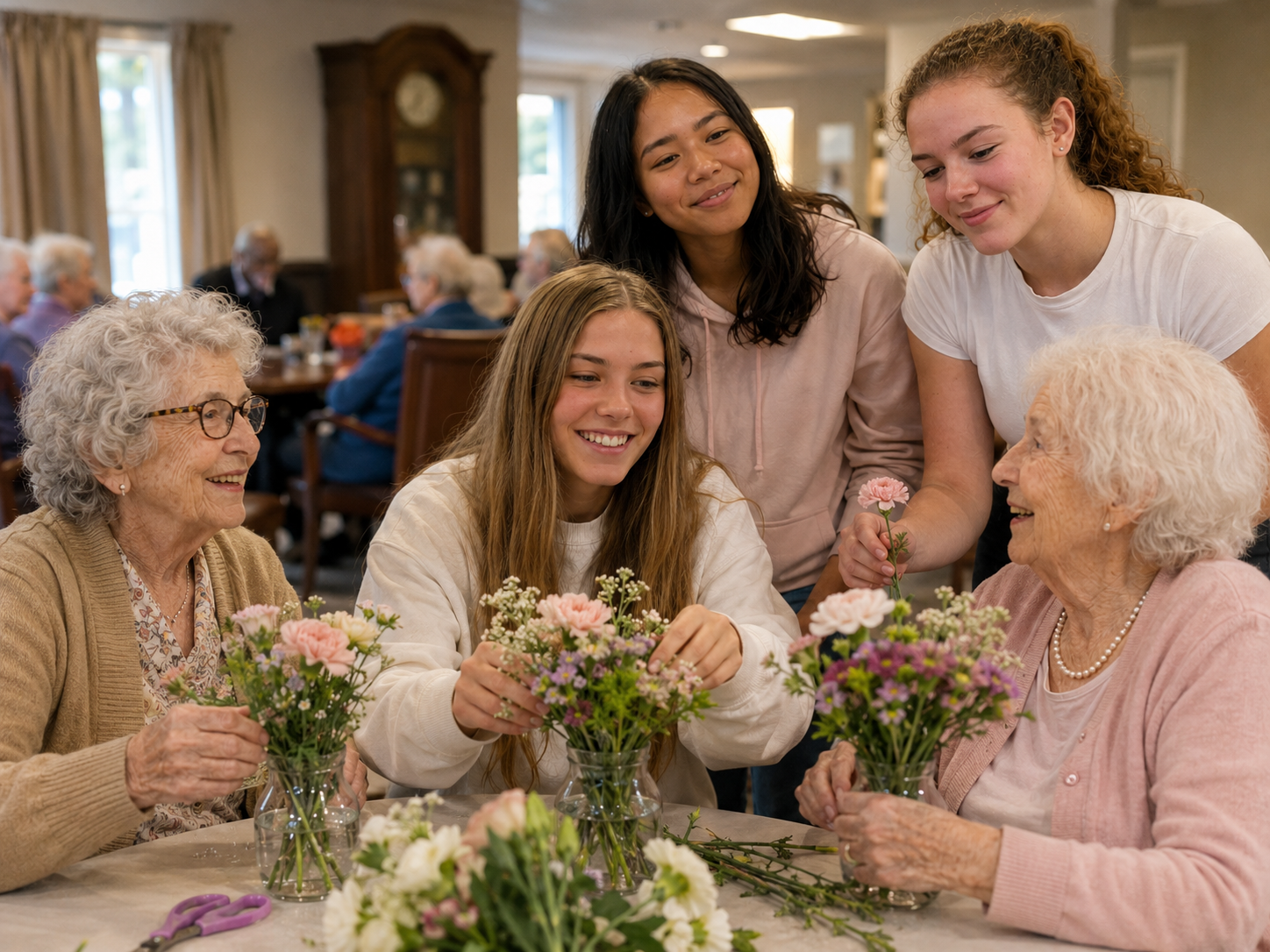
Simple crafts, cards, decorations and celebration activities give students and residents something to make side by side. Projects stay achievable, social and suitable for repeated visits.
Make with people, not just for people.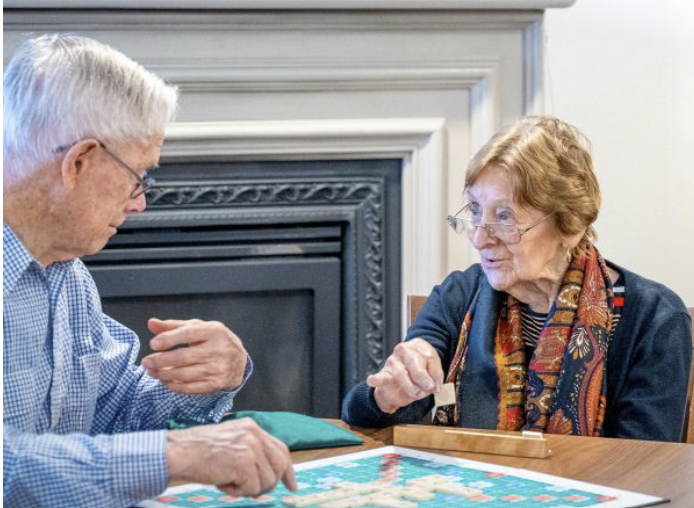
Under supervision, students can help with low-risk everyday tasks such as enlarging text, organising photos, using video calls or understanding common phone functions—without handling passwords, banking or private accounts.
Technology should reduce distance, not create it.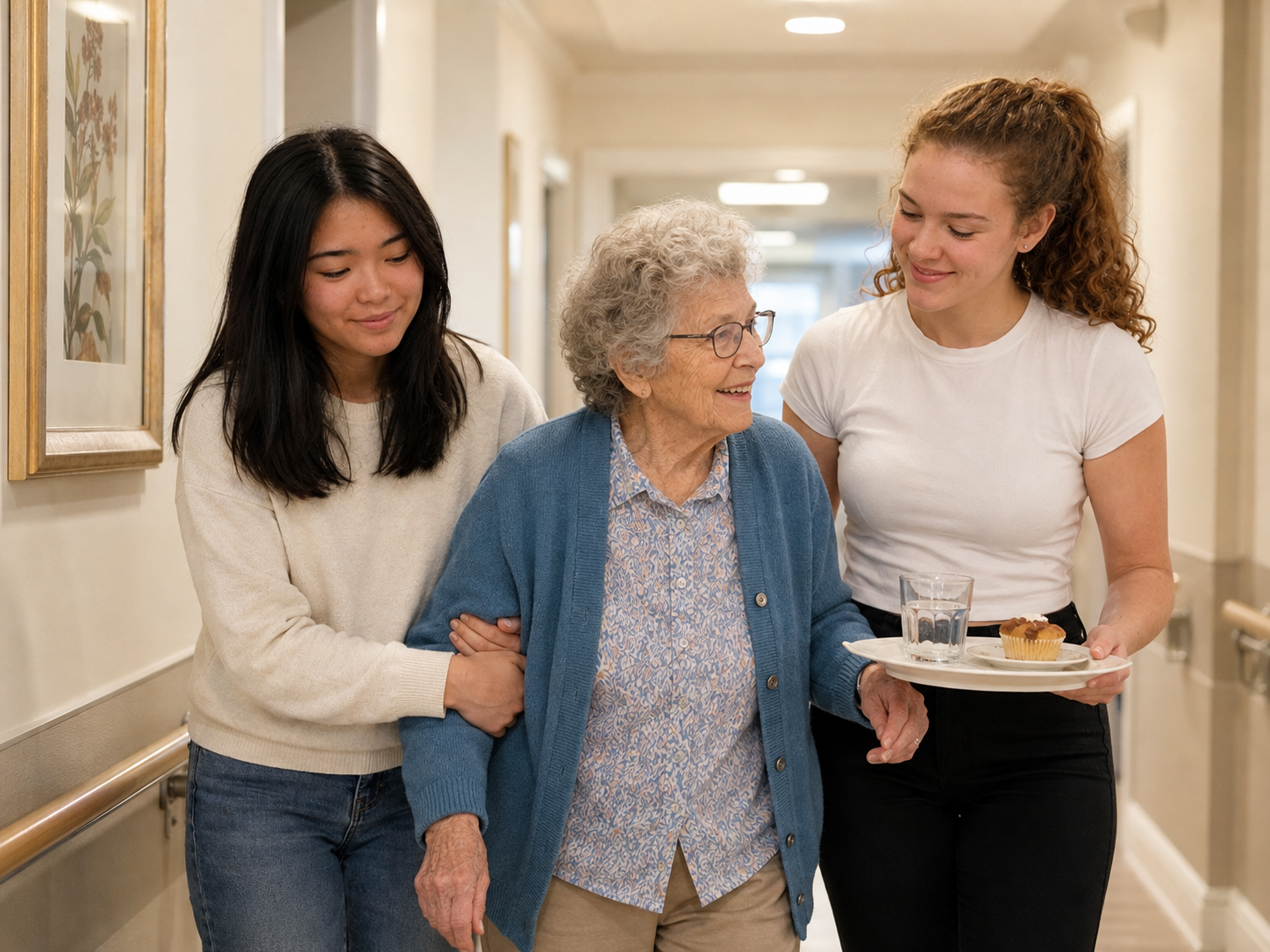
Using resident-approved photos, objects or prompts, students invite conversation about places, work, family traditions, music and changing neighbourhoods. The purpose is interest and connection—not formal interviewing.
A memory shared becomes part of a relationship.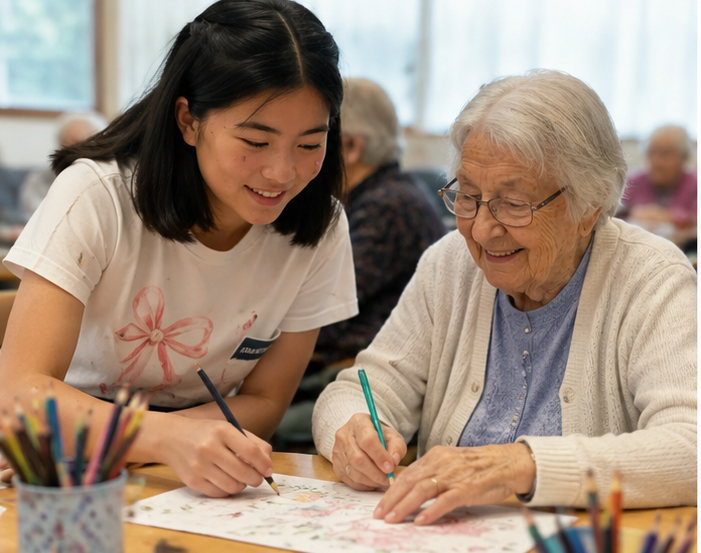
Students can help prepare and run birthdays, festive gatherings and centre events: setting up, welcoming participants, taking part in games and packing down. Returning for regular events helps familiarity grow.
Celebration feels different when people recognise each other.Student service, responsibly designed
Students support companionship, activities and everyday social connection. Medical care, personal care, financial tasks, medication, unsupervised transport and other specialist responsibilities remain with qualified adults and service providers.
Volunteer with usPeople shown in service photos are disguised to protect their privacy.